
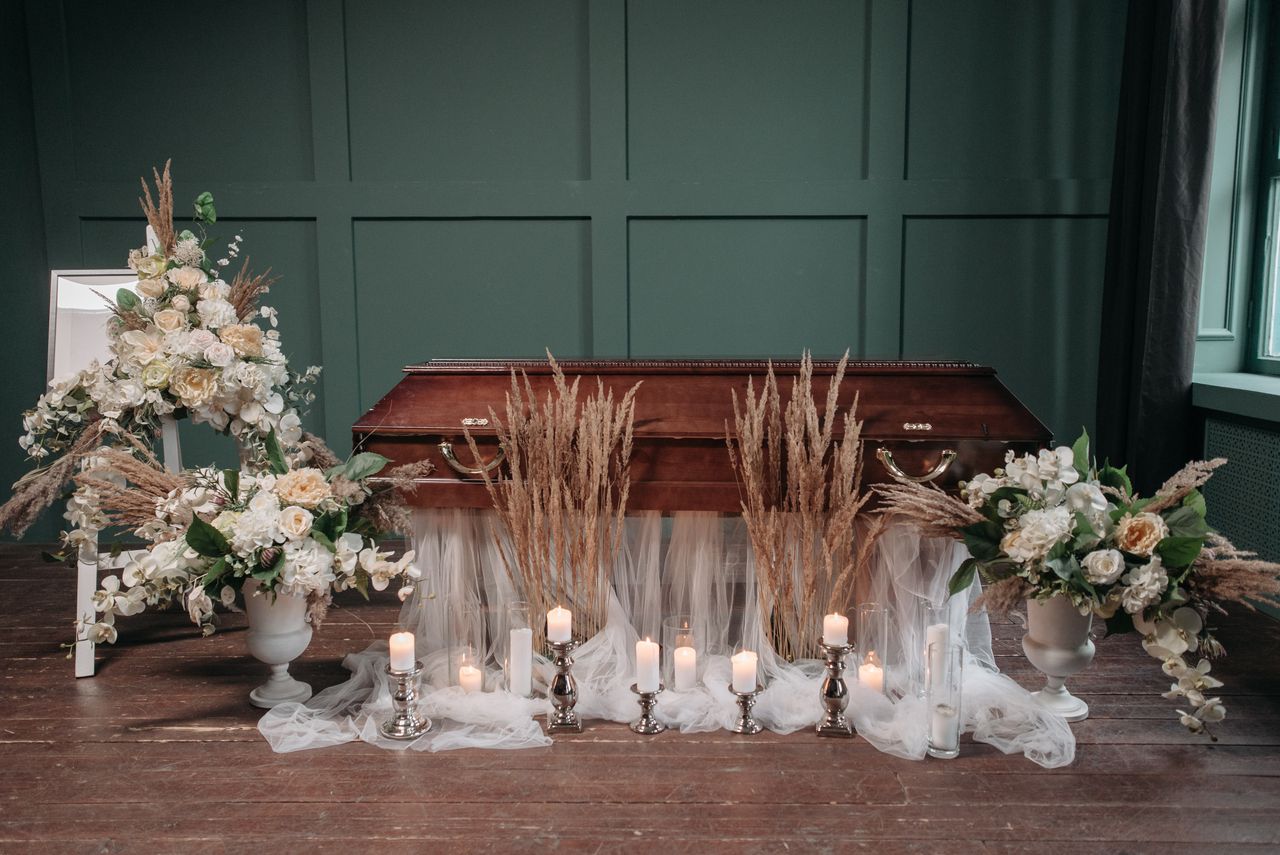
What Makes a Funeral Floral Tribute Feel Personal and Meaningful?
Flowers have long been used to express emotions that can be difficult to put into words. During a time of loss, a carefully chosen arrangement can offer comfort, respect and a quiet reminder of the person who has passed away. While traditional designs have an important place in funeral customs, a tribute can become even more meaningful when it reflects something personal about the individual.
The most memorable funeral flowers are not necessarily the largest or most elaborate arrangements. Their meaning often comes from thoughtful details, such as a preferred colour, a favourite flower, or a design that reflects the person’s character. These small choices can help create a tribute that feels sincere rather than simply formal.
Personalisation can also provide comfort to family members and close friends. Seeing familiar flowers, colours or symbolic elements incorporated into an arrangement may bring back positive memories at an otherwise difficult time. The result is a floral tribute that honours a life while giving those attending a meaningful way to express their feelings.
Choosing Flowers That Reflect the Person
One of the simplest ways to personalise a floral tribute is to consider the flowers the person enjoyed during their lifetime. Perhaps they loved roses in the garden, preferred the appearance of lilies, or always appreciated bright seasonal blooms. Incorporating these preferences can make an arrangement feel closely connected to their personality.
A favourite flower does not necessarily have to dominate the design. It can be included as a subtle feature alongside complementary blooms and foliage. This allows the florist to create a balanced arrangement while retaining the personal connection.
The choice can also be influenced by memories rather than direct preferences. Flowers associated with a family garden, a special occasion or a memorable place may carry significance for relatives and friends.
When selecting blooms, it is useful to consider:
- Favourite flowers or plants associated with the person
- Seasonal flowers that may remind the family of a particular time or place
- Colours that were commonly worn, enjoyed or used in their home
- Flowers connected with meaningful family memories
These details can transform a conventional arrangement into something that tells part of the person’s story.
Using Colour to Express Personality and Emotion
Colour can have a strong visual and emotional effect, which makes it another useful element when creating a personal tribute. Soft whites and creams may create a peaceful and understated appearance, while pastel shades can provide a gentle sense of warmth.
Brighter colours may be appropriate when they reflect the personality of the person being remembered. Someone known for their energy, optimism or love of vibrant surroundings might be honoured with a more colourful arrangement.
There is no universal colour combination that is right for every funeral. Personal preferences, cultural traditions and family expectations can all influence the decision.
Rather than choosing colours solely because they are considered traditional, families can think about what feels authentic. A familiar colour palette can make the tribute feel more closely connected to the person’s life and character.
Considering the Meaning Behind Different Flowers
Flowers can carry symbolic associations, although these meanings can vary between cultures and traditions. Understanding those associations may help families choose blooms that communicate a particular sentiment.
Roses, for example, are often associated with love, respect and remembrance. Lilies are commonly connected with peace and purity, while carnations have long been used in commemorative floral arrangements. Other flowers may simply be meaningful because of a personal association rather than a traditional symbolism.
The emotional significance of a flower does not have to follow a formal guide. A particular bloom may remind a family member of childhood, a garden, a wedding or another important part of their shared history.
This is why personal meaning can be just as important as established floral symbolism. The strongest tribute is often the one that makes sense to the people who knew the deceased.
Incorporating Personal Memories Into the Design
A floral tribute can represent more than flowers themselves. Its shape, colours and accompanying details can reflect hobbies, interests or important aspects of a person’s life.
For example, a person who loved gardening might be remembered with a natural-looking arrangement featuring seasonal foliage. Someone who appreciated a particular colour could have that shade incorporated throughout the design.
Even the style of the arrangement can communicate something. A relaxed collection of seasonal blooms may feel appropriate for someone with a warm and informal personality, while a more structured design may suit someone who preferred classic and elegant surroundings.
Personalisation does not need to be obvious to everyone attending the funeral. Sometimes the most meaningful details are those recognised only by close family members.
Selecting a Floral Tribute That Fits the Funeral Setting
The type of service and location can also influence the most suitable arrangement. A large standing display may work well at a venue where floral tributes are intended to be visible from a distance, while a smaller arrangement may be more appropriate for an intimate gathering.
Families may also need to consider whether flowers will remain at the funeral venue, be placed beside a coffin, accompany a memorial service or later be taken home or distributed among relatives.
Practical considerations can include:
- The available space at the venue
- Whether the arrangement needs to be transported afterwards
- The position where the flowers will be displayed
- Any venue or funeral-home guidelines
- Whether the family has a preferred style or arrangement size
These practical details do not make the tribute less personal. Instead, they help ensure that the chosen design works comfortably within the circumstances of the service.
Including Messages and Personal Details
Words can add another layer of meaning to a floral tribute. A short message on a card or ribbon can express affection, gratitude, remembrance or sympathy when a longer explanation feels difficult.
The message might refer to a relationship, a shared memory or simply the feelings of those sending the flowers. There is no need for the wording to be elaborate.
A personal message can also make it clear who the tribute is from. This can be particularly meaningful when several arrangements are displayed together, as families can easily identify the people and relationships represented by each one.
When choosing the message, sincerity is generally more important than formality. A few genuine words can carry considerable emotional weight.
Choosing a Style That Feels Authentic
Traditional funeral arrangements can provide a respectful and familiar appearance, but there is also room for more contemporary designs. The right choice depends on the person being remembered and the preferences of those arranging the tribute.
Some families prefer understated arrangements with a limited colour palette. Others may want something fuller and more expressive. There can also be differences in preference between generations or family members.
A florist can help translate personal ideas into a practical arrangement. Providing information about the person’s personality, favourite flowers, preferred colours or meaningful memories gives the florist useful context.
The goal is not necessarily to create something unusual. It is to create something that feels appropriate and genuine.
Allowing Cultural and Family Traditions to Guide the Choice
Funeral customs differ considerably between cultures, religions and families. Floral choices should therefore be considered alongside any traditions or expectations that may apply to the service.
Some families may have established preferences regarding particular flowers or colours, while others may place greater emphasis on personal expression. Certain funeral practices may also influence where flowers are displayed or what happens to them after the service.
Respecting these traditions can help prevent an otherwise thoughtful gesture from becoming uncomfortable or inappropriate. When there is uncertainty, asking the funeral director or florist about customary practices can provide useful guidance.
Personalisation and tradition do not have to compete. A tribute can honour cultural expectations while still incorporating details that reflect the individual.
Why Simplicity Can Make a Tribute More Meaningful
It is easy to assume that a more elaborate arrangement will create a stronger impression. In reality, emotional meaning does not depend on size or cost.
A modest arrangement containing a person’s favourite flower may mean more to a family than an extravagant display with no personal connection. The significance comes from the thought behind the choice.
Simplicity can also create a calm and respectful appearance. A carefully selected combination of flowers, foliage and colours can communicate affection without overwhelming the setting.
When considering funeral flowers, families can focus first on the story they want the tribute to tell. The design can then be built around that idea.
Making the Tribute Meaningful for Those Left Behind
A funeral floral tribute is ultimately intended to honour the person who has died, but it can also provide emotional support for those who remain. The process of choosing flowers gives family members an opportunity to reflect on memories and decide how they would like to represent their loved one.
That process can be surprisingly meaningful. Talking about favourite flowers, colours, hobbies or treasured memories may bring moments of connection during a difficult period.
A tribute can also become a visual reminder of the qualities that made someone special. Whether it reflects their love of nature, a favourite colour or a cherished family tradition, those details can help make the funeral feel more personal.
The most meaningful floral tributes are rarely defined by a single rule. They are shaped by memories, relationships and the individual being remembered. A thoughtful arrangement can quietly communicate love, respect and remembrance while giving family and friends a tangible way to honour a life that mattered to them.
When the flowers have a personal connection, even a simple arrangement can carry a deeper sense of meaning. That personal touch is what turns a traditional funeral display into a sincere tribute to someone who will be remembered.