
Search for:
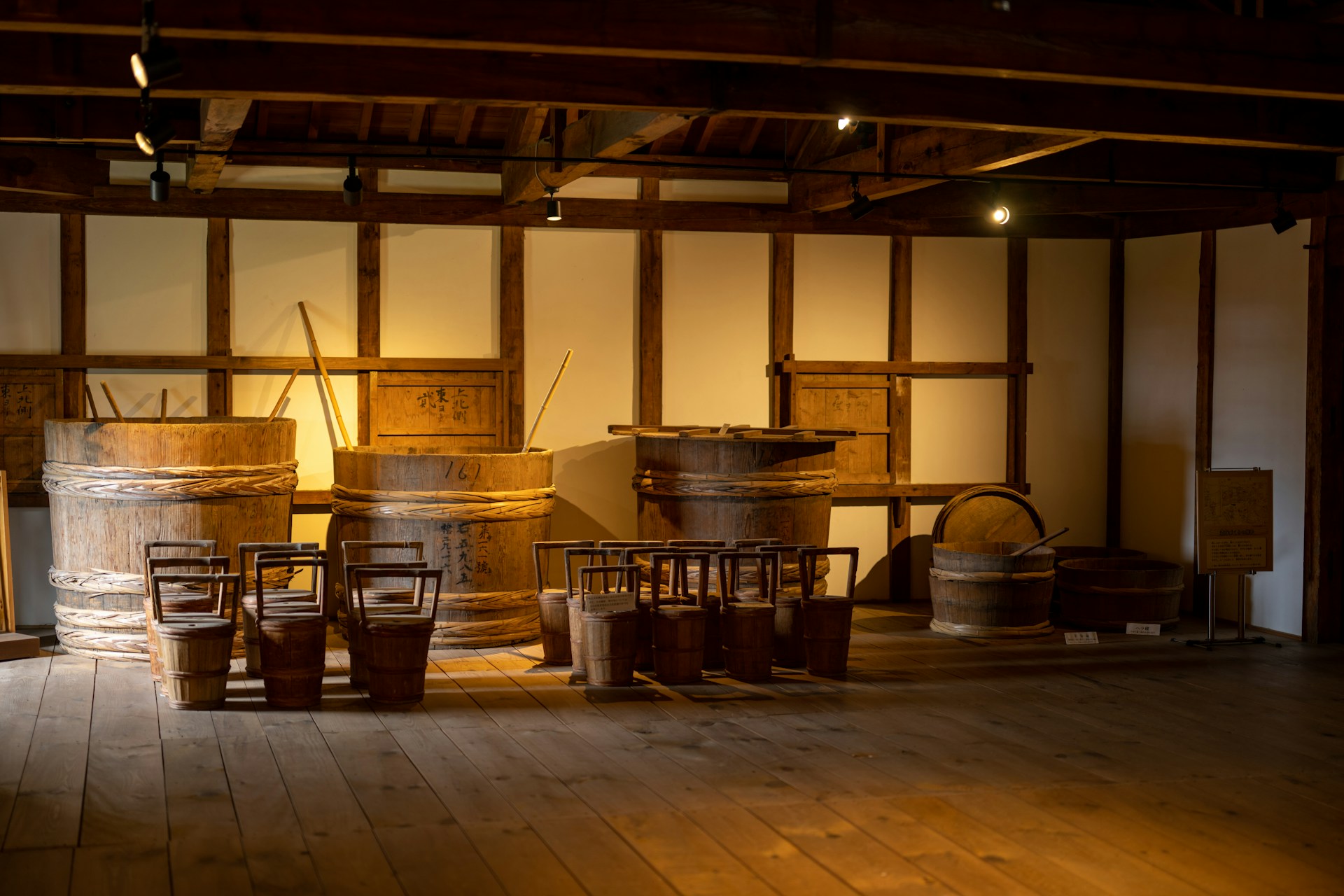
Boutique Stellenbosch wineries with unique wine tastings
Exploring Boutique Wineries: Hidden Gems Beyond the Popular Wine Estates

South Africa’s wine landscape is often associated with grand estates, historic architecture, and well-known labels that dominate international shelves. While these icons play an important role, they represent only part of the story. Beyond the gates of famous farms lies a quieter, more intimate side of winemaking that many travellers overlook.

For curious visitors, Stellenbosch wine tours can be an entry point into this lesser-known world. Tucked away along gravel roads, mountain slopes, and family-owned plots are boutique wineries producing limited quantities with exceptional care. These are places where personality, experimentation, and hands-on craftsmanship define the experience.

Choosing to explore this side of the region adds depth to Stellenbosch wine tours, shifting the focus from recognition to discovery. Instead of polished routines and busy tasting rooms, guests encounter personal stories, unconventional styles, and wines that reflect individual vision rather than mass appeal.

What Defines a Boutique Winery

Boutique wineries are not defined solely by size, but by intent. Production volumes are typically small, often managed directly by the owners or a tight-knit team involved in every stage of the process. Decisions are driven by passion rather than scale.

These wineries often prioritise:

  • Limited releases instead of flagship ranges

  • Experimental techniques and niche varietals

  • Sustainable or low-intervention farming practices

  • Direct engagement with visitors

The result is a more personal experience where winemakers are accessible, conversations are unhurried, and each bottle tells a specific story.

Why Smaller Producers Fly Under the Radar

Many boutique wineries operate without large marketing budgets or international distribution. Their wines may never appear in mainstream retailers or export markets, which keeps them relatively unknown outside the region.

In some cases, obscurity is intentional. Smaller producers often prefer to sell directly to visitors, maintaining control over how their wines are presented and enjoyed. This approach fosters loyalty and preserves the authenticity of the experience.

For travellers willing to look beyond familiar names, this creates a sense of exclusivity that feels earned rather than manufactured.

The Appeal of Intimate Tasting Experiences

One of the most compelling reasons to seek out boutique wineries is the tasting experience itself. Without the pressure of high visitor numbers, tastings tend to be more conversational and flexible.

Guests may find themselves:

  • Sampling wines straight from the barrel

  • Discussing vineyard challenges and successes

  • Tasting older vintages not available elsewhere

  • Receiving recommendations tailored to personal preferences

These interactions turn tastings into exchanges of knowledge rather than scripted presentations.

Unique Wine Styles You Are Unlikely to Find Elsewhere

Smaller wineries often take creative risks that larger estates cannot justify. This freedom leads to distinctive wine styles that challenge expectations and expand palates.

Examples include:

  • Lesser-known grape varieties adapted to local conditions

  • Minimal-intervention wines with pronounced character

  • Single-vineyard bottlings highlighting microclimates

  • Limited experimental batches released once-off

Such wines may not appeal to everyone, but they reward open-minded drinkers with memorable discoveries.

How Location Shapes Boutique Winery Character

Many hidden wineries are situated in unconventional locations, away from main tourist routes. Steep slopes, tucked-away valleys, and marginal soils are common features.

These challenging environments often produce lower yields, but greater concentration and individuality. The landscape itself becomes part of the narrative, influencing both the wine’s profile and the visitor’s experience.

Reaching these wineries may require extra effort, but the journey often enhances the sense of finding something special.

Planning a Route That Prioritises Discovery

Exploring boutique wineries requires a different approach to itinerary planning. Rather than trying to visit many estates in a single day, it is more effective to focus on a few carefully chosen stops.

A discovery-focused route benefits from:

  1. Researching small producers in advance

  2. Allowing flexibility for longer visits

  3. Leaving room for spontaneous recommendations

  4. Limiting the number of tastings to avoid fatigue

This slower pace aligns naturally with the ethos of boutique winemaking.

The Role of Sustainability and Ethics

Many small wineries are at the forefront of ethical and sustainable practices. Without corporate structures, they can adapt quickly and implement farming methods aligned with their values.

Common commitments include:

  • Organic or biodynamic viticulture

  • Water conservation and soil regeneration

  • Indigenous vegetation preservation

  • Fair labour practices

Visitors interested in responsible travel often find these producers particularly appealing, as their values are evident in both practice and conversation.

Building Relationships Through Wine

Because boutique wineries rely heavily on direct sales, relationships matter. Visitors are not just customers, but ambassadors who share their experiences with others.

Repeat visits are common, as guests develop connections with the people behind the wine. Over time, these relationships deepen appreciation and loyalty in ways that large-scale operations rarely achieve.

This relational aspect adds emotional value to the wines, making each bottle a reminder of a specific place and encounter.

Integrating Boutique Stops Into Broader Wine Exploration

Exploring hidden gems does not require abandoning well-known estates entirely. In fact, the contrast between large and small producers can enrich understanding of the region as a whole.

Many travellers find that alternating between established names and boutique visits creates balance. The structure and polish of major estates provide context, while smaller wineries offer nuance and intimacy.

Within thoughtfully planned Stellenbosch wine tours, boutique producers add texture, surprise, and authenticity that elevate the overall experience.

What to Expect When Visiting Smaller Wineries

First-time visitors to boutique wineries should adjust expectations. Facilities may be simpler, tasting rooms more informal, and appointment times flexible.

However, this informality often leads to greater reward. Without rigid schedules or scripts, conversations flow naturally, and tastings adapt to the interests of the guest.

Approaching these visits with curiosity rather than comparison ensures a more fulfilling experience.

A Different Way to Understand the Winelands

Hidden wineries reveal a side of Stellenbosch that is deeply personal and constantly evolving. They demonstrate that excellence is not confined to scale, and that innovation often thrives at the margins.

For travellers seeking depth rather than spectacle, these producers offer insight into the heart of the region’s wine culture. By stepping off the well-trodden path, visitors encounter stories, flavours, and philosophies that linger long after the journey ends, shaping a more meaningful connection to the Winelands as a whole.

scientific perspective on alcohol doesn't kill braincells
Alcohol and the Brain: Separating Scientific Evidence From Common Myths

Alcohol consumption is a topic that comes with a mix of fascination, caution, and widespread misinformation. Many social settings, advertisements, and even casual conversations perpetuate myths about drinking, some of which exaggerate the risks or oversimplify the science. One of the most enduring beliefs is that alcohol kills brain cells, permanently damaging cognitive function. While this idea is repeated often enough to be considered common knowledge, scientific research paints a much more nuanced picture. Distinguishing between fact and fiction is essential for understanding how alcohol truly affects the brain.

The effects of alcohol vary depending on multiple factors, including genetics, age, general health, and patterns of consumption. Occasional or moderate drinking impacts the brain differently from chronic heavy use. While excessive consumption can result in noticeable cognitive impairment and physical harm, moderate intake tends not to destroy neurons directly. Experts emphasize that understanding the actual effects of alcohol allows individuals to make informed decisions about consumption and long-term health.

Misinformation about alcohol can lead to unnecessary fear or, conversely, careless drinking habits. Public awareness based on scientific evidence is crucial to prevent both extremes. For instance, while alcohol does alter brain function temporarily and can affect memory and attention, the idea that alcohol kills brain cells is largely a myth. Instead, alcohol primarily disrupts communication between neurons and can influence the brain’s plasticity and functionality over time, which may contribute to cognitive challenges if drinking is excessive or prolonged.

Understanding Alcohol’s Effects on the Brain

Alcohol interacts with the central nervous system by affecting neurotransmitters, the chemical messengers responsible for brain communication. GABA and glutamate, two key neurotransmitters, are especially influenced, producing feelings of relaxation, lowered inhibitions, and temporary euphoria. However, high levels of alcohol intake can impair critical functions such as memory, decision-making, and coordination. While these functional changes can be noticeable, the structural integrity of neurons remains relatively resilient in moderate drinkers.

It is important to clarify that alcohol doesent kill braincells directly. Research shows that while alcohol may damage dendrites—the projections that allow neurons to communicate—neuron death rarely occurs from moderate drinking. Chronic abuse can cause brain shrinkage in regions like the hippocampus, which is vital for learning and memory. These structural changes, however, are often partially reversible with sustained abstinence or significant reduction in alcohol intake, highlighting the brain’s adaptability.

Common Myths About Alcohol and Cognition

Misconceptions about alcohol’s effect on the brain are widespread, influencing how people approach drinking:

  • Alcohol inevitably kills brain cells, permanently lowering intelligence

  • Moderate drinking has no impact on cognitive function

  • Brain damage from alcohol is always immediate and noticeable

  • All alcohol-induced cognitive impairments are permanent

While excessive drinking over long periods can lead to serious cognitive deficits, many impairments are linked to indirect effects rather than direct cell death. Nutritional deficiencies, sleep disruption, liver function impairment, and social or environmental stressors often contribute to the cognitive challenges associated with alcohol abuse. Understanding these nuances is crucial for making informed decisions about consumption and overall brain health.

The Science Behind Neuroplasticity and Recovery

The human brain possesses remarkable resilience, thanks to a phenomenon called neuroplasticity. Even after extended periods of heavy drinking, the brain can rewire itself, repairing some damage and restoring function. Cognitive abilities like memory, attention, and problem-solving often improve with sustained abstinence. This recovery potential emphasizes the importance of early intervention and moderation.

Alcohol also impacts the brain’s reward system, temporarily increasing dopamine levels and creating pleasurable sensations. Repeated exposure can shift this system, encouraging habitual drinking and dependence. Awareness of these mechanisms is essential, as it explains why some people struggle to control their consumption and why professional support can be valuable in cases of addiction or dependency.

Recognizing When to Seek Guidance

While moderate alcohol use is unlikely to kill neurons or cause permanent cognitive damage, prolonged heavy use can have significant consequences. If you notice memory lapses, confusion, difficulty concentrating, or behavioural changes associated with frequent drinking, consulting healthcare professionals is recommended. They can assess cognitive function, provide guidance on reducing consumption, and address related physical or mental health concerns.

Benefits of seeking guidance include:

  • Personalized strategies for safe alcohol consumption

  • Cognitive assessments to identify deficits early

  • Education on alcohol’s impact on brain health

  • Support for mental health challenges connected to drinking

  • Guidance on nutrition, sleep, and lifestyle adjustments to mitigate damage

Professional advice ensures concerns are addressed before serious, potentially irreversible harm occurs, allowing individuals to preserve both cognitive and overall health.

Promoting Responsible Drinking

Responsible drinking is essential for maintaining both mental and physical well-being. Limiting intake, avoiding binge drinking, staying hydrated, and ensuring proper nutrition all contribute to brain health. Environmental and social factors also play a role; supportive social networks and mindful drinking habits reduce risks associated with alcohol.

Ongoing research continues to explore how moderate alcohol consumption interacts with genetics, stress, and lifestyle factors. While science consistently confirms that alcohol doesn’t directly kill brain cells, repeated misuse can still impair function and interfere with daily life. By combining moderation, informed decisions, and professional support when necessary, it is possible to enjoy alcohol safely without compromising long-term cognitive performance.

Separating myth from fact empowers individuals to approach alcohol with a realistic understanding of risks and benefits. Recognizing the limits of alcohol’s impact and the brain’s potential for recovery ensures that drinking habits remain safe and sustainable. With awareness and guidance, alcohol can be managed responsibly, preserving both brain function and quality of life.

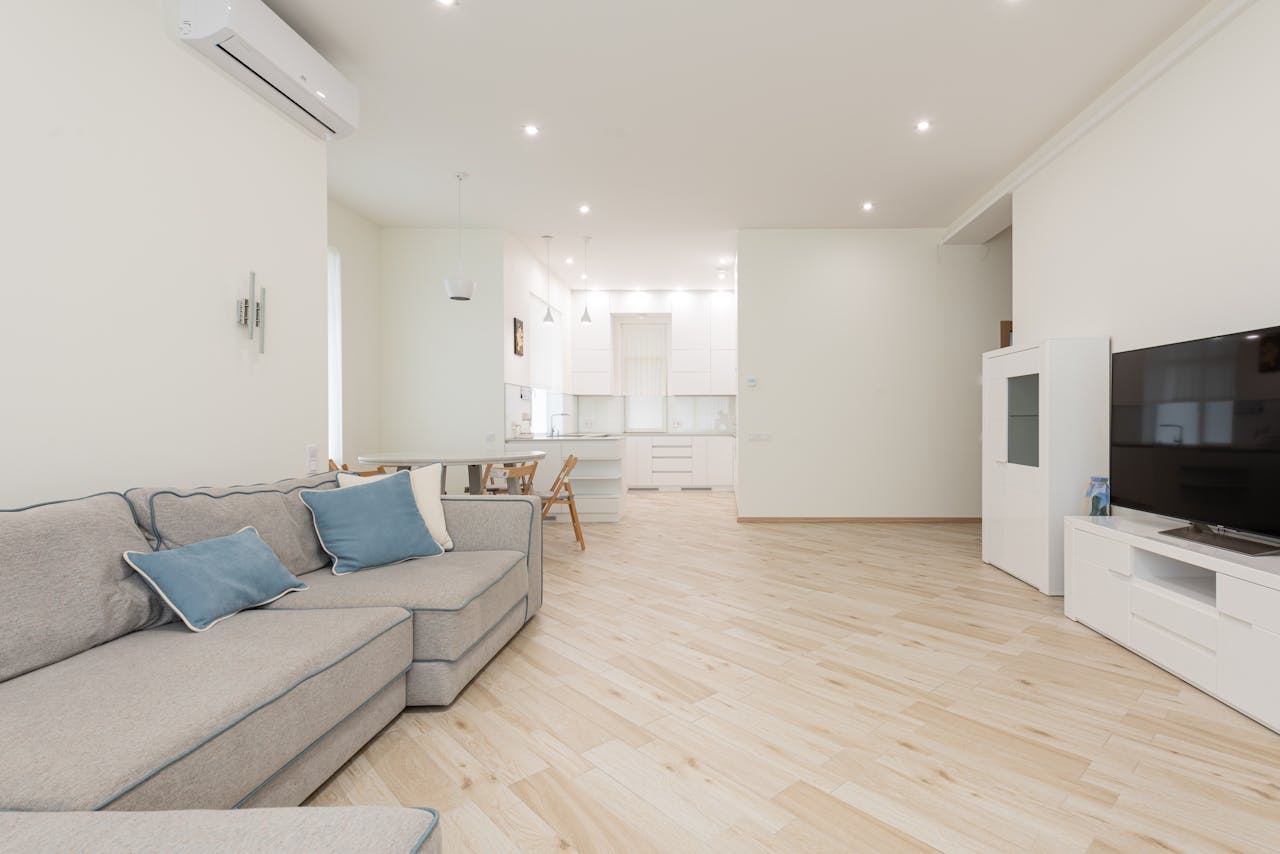
home interior showing expert air conditioner installation in Pretoria
Choosing the Right Air Conditioner for Pretoria’s Temperature Swings

Living in Pretoria means adapting to one of South Africa’s most challenging climates. The city is well-known for its hot summers, mild winters, and, at times, temperature fluctuations within a single day. For many homeowners and businesses, maintaining a comfortable indoor environment is not just a matter of convenience—it’s essential for health, productivity, and overall well-being. Selecting the right cooling system becomes critical when temperatures can swing dramatically from one hour to the next.

Finding an effective solution often begins with understanding the importance of air conditioner installation in Pretoria. The right system can regulate indoor temperatures efficiently, improve air quality, and even reduce energy costs if chosen wisely. However, with so many types and brands available, making an informed decision requires careful consideration of both the climate and your specific space needs.

While some might be tempted to install a unit quickly, skipping the planning phase can lead to inefficiency, high energy bills, and discomfort. The goal is to identify an air conditioning system that adapts seamlessly to Pretoria’s variable weather, offering consistent cooling in summer and appropriate warmth when temperatures dip. By investing time in research and professional guidance, homeowners can ensure their cooling solution performs optimally year-round.

Assessing Your Space and Cooling Needs

The first step in choosing an air conditioner is evaluating the space it will serve. Factors such as room size, ceiling height, and insulation quality significantly influence the type and capacity of the system required. For instance, a larger open-plan living area will need a higher-capacity unit compared to a small bedroom.

In addition to square footage, consider heat sources within the room. Electronics, lighting, and large windows can all contribute to increased heat loads, requiring a system that compensates effectively. In Pretoria, where summer temperatures can reach extreme highs, underestimating these factors can result in a system that struggles to maintain comfort during peak heat hours.

Professional technicians offering air conditioner installation in Pretoria can perform detailed load calculations. These assessments determine the precise cooling capacity needed, preventing both under- and over-sizing, which can lead to inefficiency or unnecessary expenditure.

Understanding Different Types of Air Conditioning Systems

Choosing the right type of system is critical, as it affects both performance and long-term maintenance. Several options are available, each with unique benefits and considerations.

  • Split Systems: These are ideal for individual rooms or small spaces. They are quiet, efficient, and can often double as heaters in cooler months.

  • Multi-Split Systems: Perfect for larger homes or offices, allowing multiple indoor units to connect to a single outdoor compressor.

  • Central Air Systems: Best for whole-home cooling, offering even temperature distribution and centralized control but requiring ductwork and higher installation costs.

  • Portable Units: While convenient and low-cost, these units typically have lower efficiency and are best suited for temporary or small-area cooling.

Considering Pretoria’s extreme temperature swings, split or multi-split systems are often recommended for residential spaces, as they provide precise control and adaptability without the higher energy demands of central systems.

Energy Efficiency and Environmental Considerations

Energy efficiency is more than a cost-saving measure—it also reduces environmental impact. Air conditioners with high seasonal energy efficiency ratios (SEER) or star ratings consume less electricity while providing superior cooling.

Modern units often include inverter technology, which adjusts compressor speed to match cooling demand. This not only maintains a more consistent indoor temperature but also reduces wear and tear on the system. For Pretoria homeowners, where summer heat can be intense and prolonged, investing in energy-efficient systems ensures comfort without shocking electricity bills.

Environmental considerations extend beyond energy usage. Some refrigerants are more eco-friendly than others, and selecting a unit with low global warming potential contributes to sustainable living practices. During air conditioner installation in Pretoria, technicians can provide guidance on both efficient and environmentally responsible options.

Installation Matters More Than You Think

Proper installation is as important as selecting the right unit. Even a high-performance system can underperform if it’s installed incorrectly. Placement of indoor and outdoor units, proper insulation of pipes, and ensuring unobstructed airflow all affect the unit’s efficiency and lifespan.

Scheduling professional installation also ensures compliance with local regulations and safety standards. Certified installers understand the unique challenges posed by Pretoria’s climate, such as high heat loads and occasional storms, which can impact outdoor unit placement and system durability.

A well-installed system also requires less maintenance over time. By preventing common issues like refrigerant leaks, poor drainage, or uneven cooling, professional installation protects your investment and provides peace of mind.

Maintenance Tips for Longevity and Performance

Once your air conditioning system is installed, regular maintenance is key to sustained performance. Even the best units can lose efficiency if filters are clogged, coils are dirty, or components are worn.

  • Clean or replace filters monthly during peak usage.

  • Inspect outdoor units for debris, dirt, or blockage.

  • Schedule professional servicing at least once a year to check refrigerant levels and system operation.

  • Monitor energy bills for sudden spikes, which may indicate a system is working harder than it should.

These simple steps can prolong the life of your system and ensure consistent comfort throughout Pretoria’s fluctuating seasons.

Living comfortably in Pretoria requires more than picking any air conditioner off the shelf. The city’s extreme temperature swings demand thoughtful planning, careful selection, and professional installation. By considering space requirements, system type, energy efficiency, and proper installation, homeowners can achieve a balance of comfort, sustainability, and cost-effectiveness. Investing in the right air conditioning solution today pays dividends in comfort, energy savings, and long-term satisfaction.